Dangerous & Industrial Goods Storage Services
Toplis Logistics provides compliant, flexible and safe dry storage services for dangerous goods and industrial grade commodities.




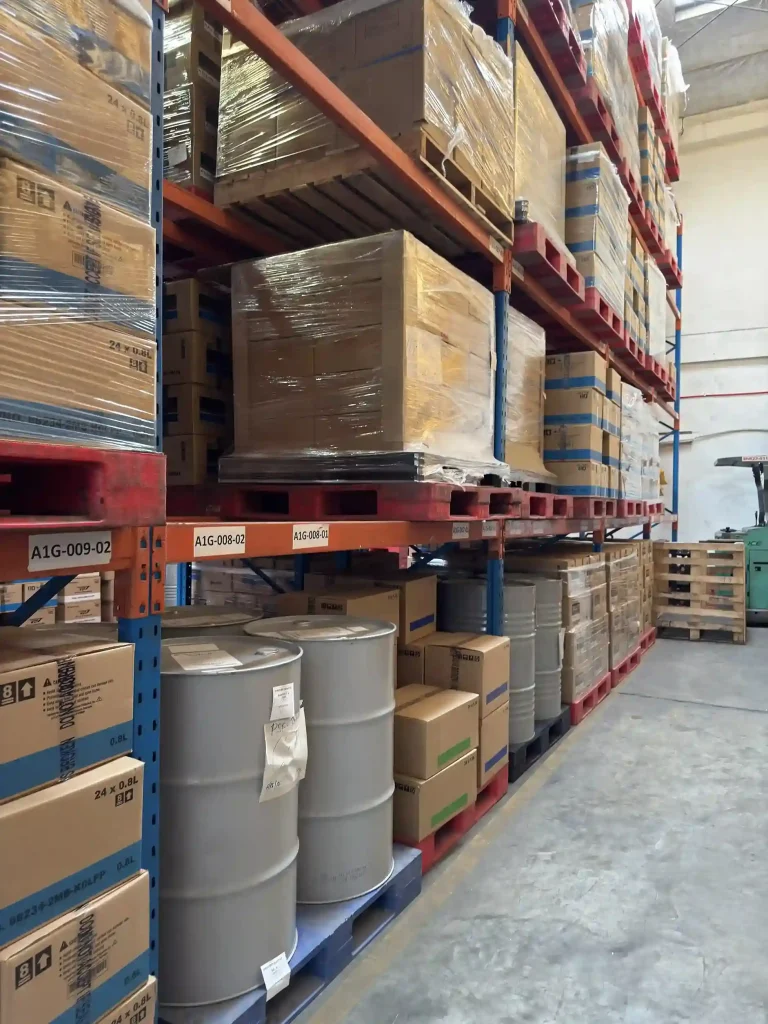
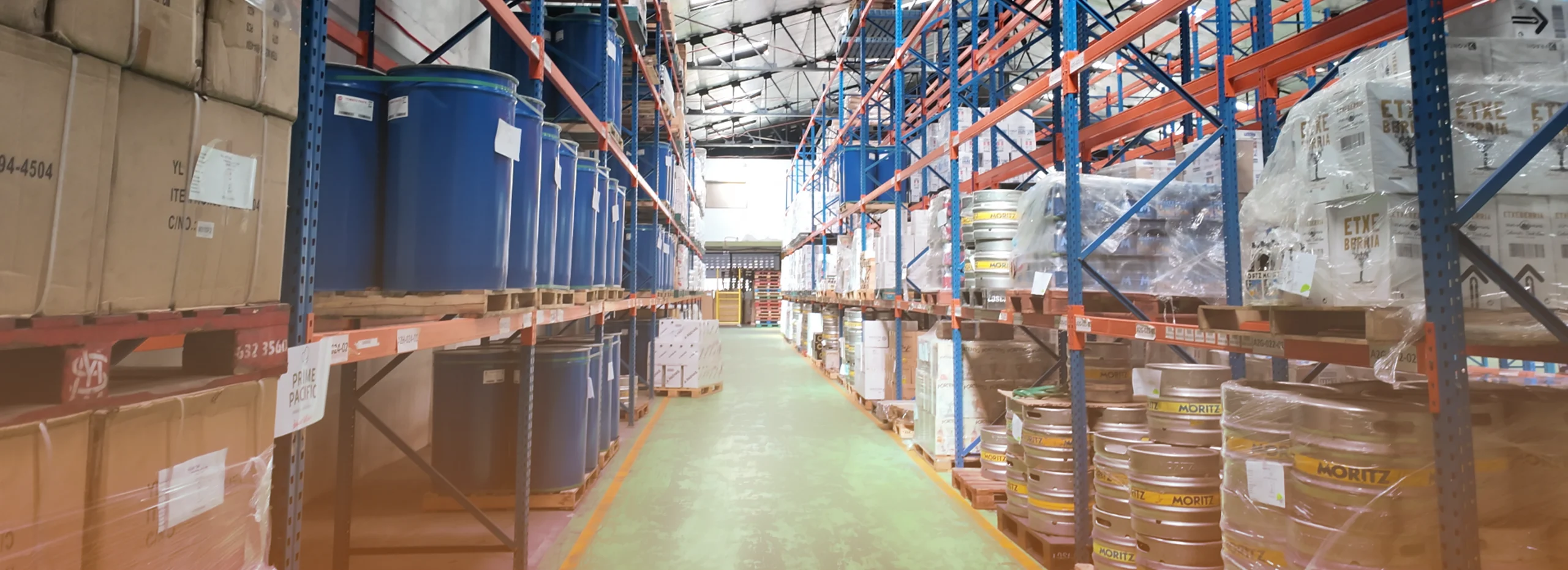
Dangerous goods are hazard-classified under international frameworks that need proper hazardous material handling. Industrial or “dirty” goods can be either raw materials or finished products used across different sectors. These goods may need tires storage, oil storage, chemical storage, in the Philippines.
Dangerous goods classification in the Philippines exists so a logistics worker in Cebu and a truck driver heading to Manila read the same hazard label the same way, every time. This consistent guide keeps handling, storage, and emergency response predictable for everyone in the supply chain.
Internationally, dangerous goods in shipping fall into nine hazard classes such as:
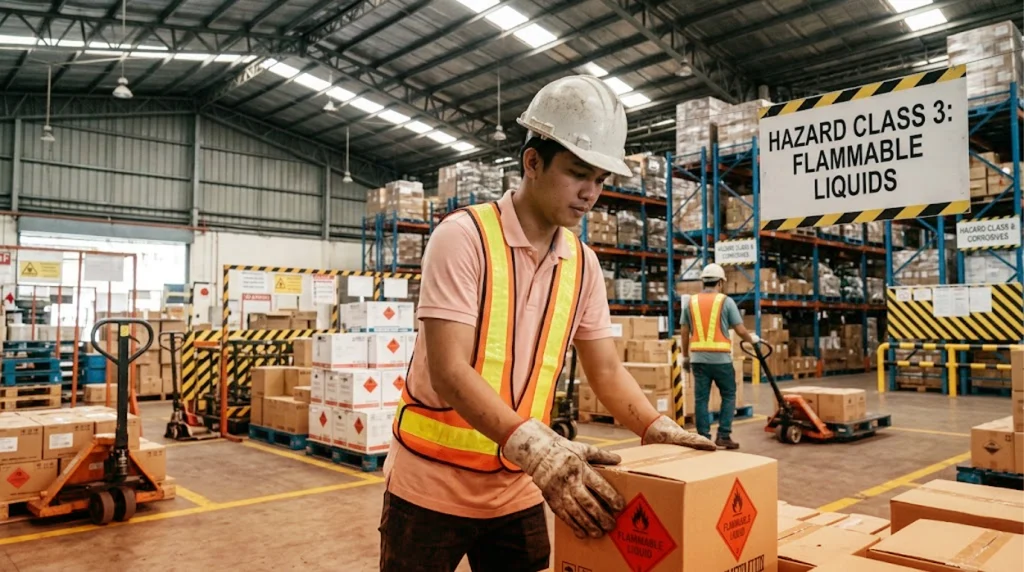
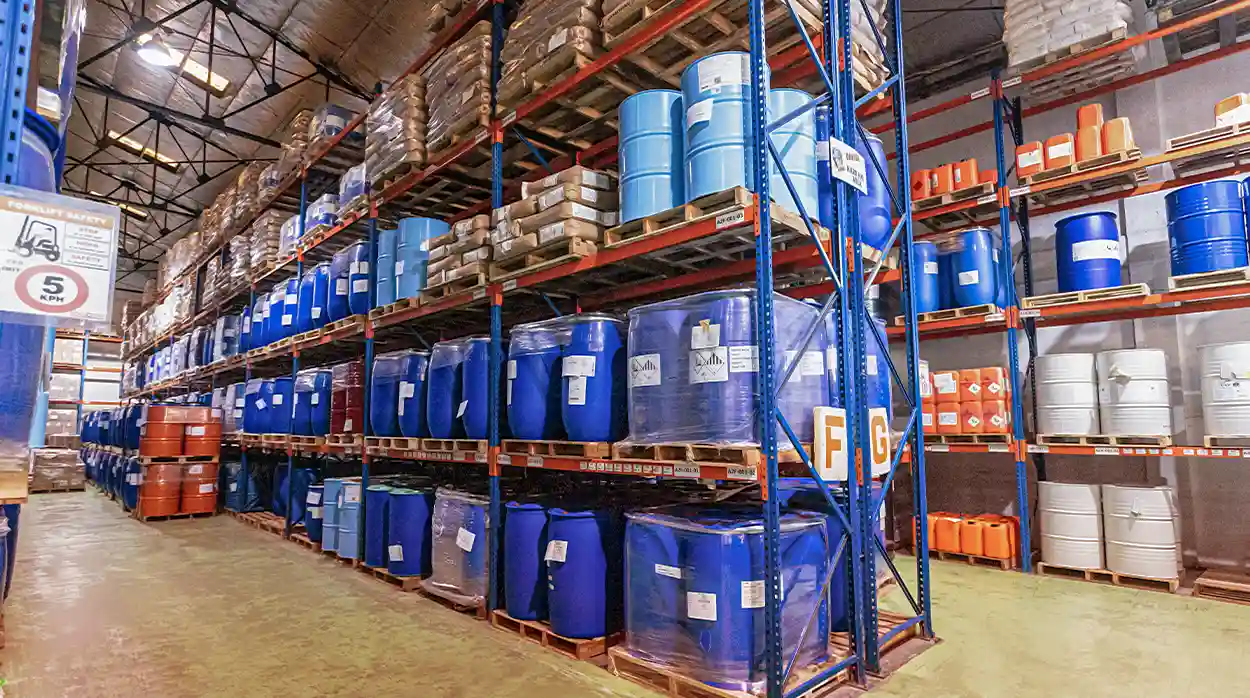
Segregated storage zones by hazard class
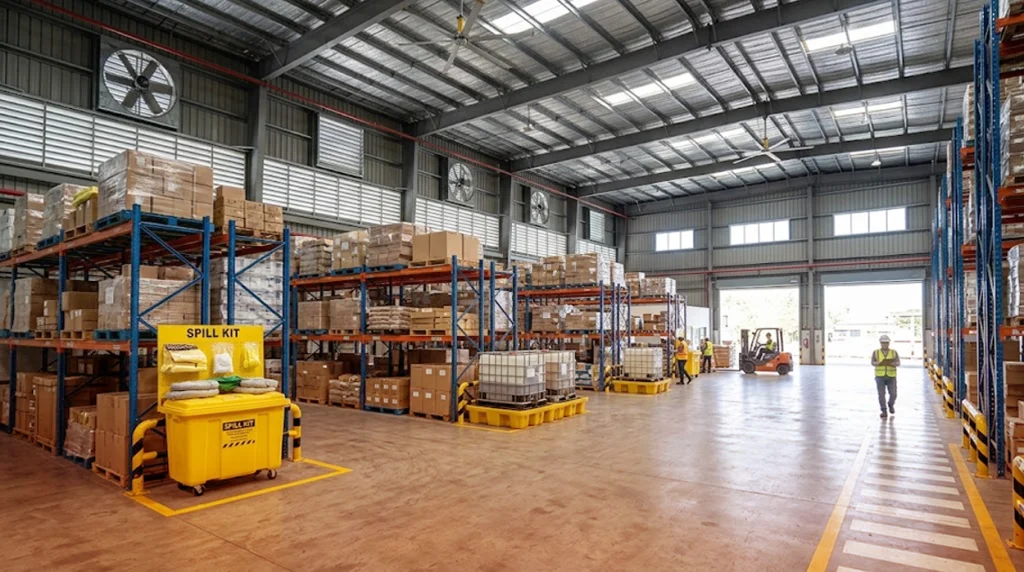
Proper ventilation and spill containment
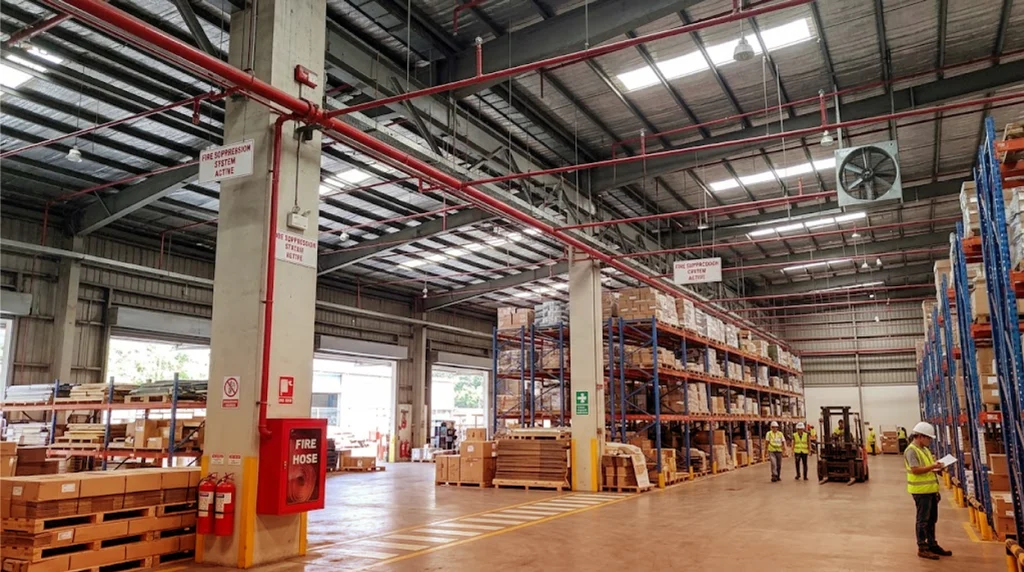
Fire suppression coverage
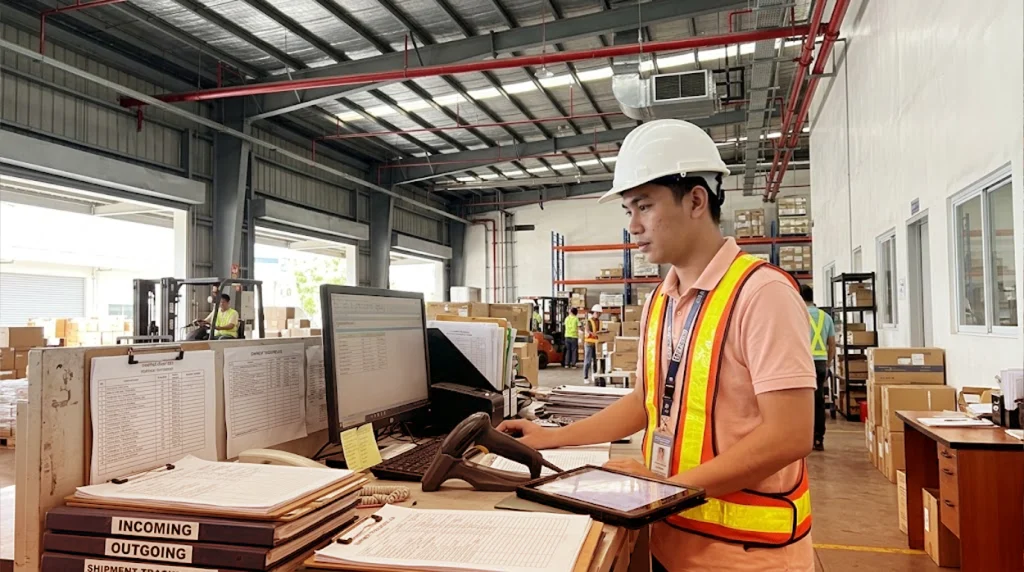
Documentation that tracks every shipment from intake to release.
These are safety measures for warehouse staff, transport crews, and nearby communities.
Whether you need chemical logistics support for a single shipment or ongoing storage for dangerous liquids and powders, our hazardous materials warehouse in the Philippines is a dedicated facility for safe and compliant storage solutions.
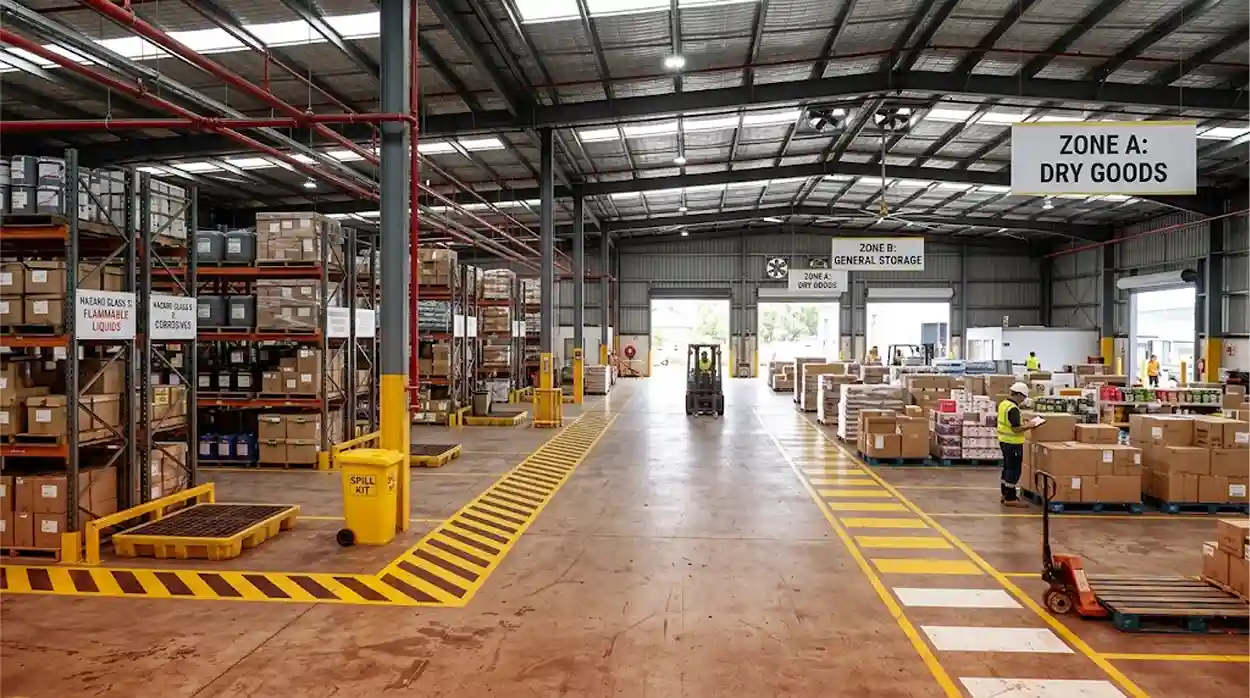
Segregated storage zones.
These are hazard classes that react dangerously together. Like flammable liquids and oxidizing substances, for example — are physically separated by zone. Nothing goes into one open room, dangerous liquids and powders storage are separated by default.
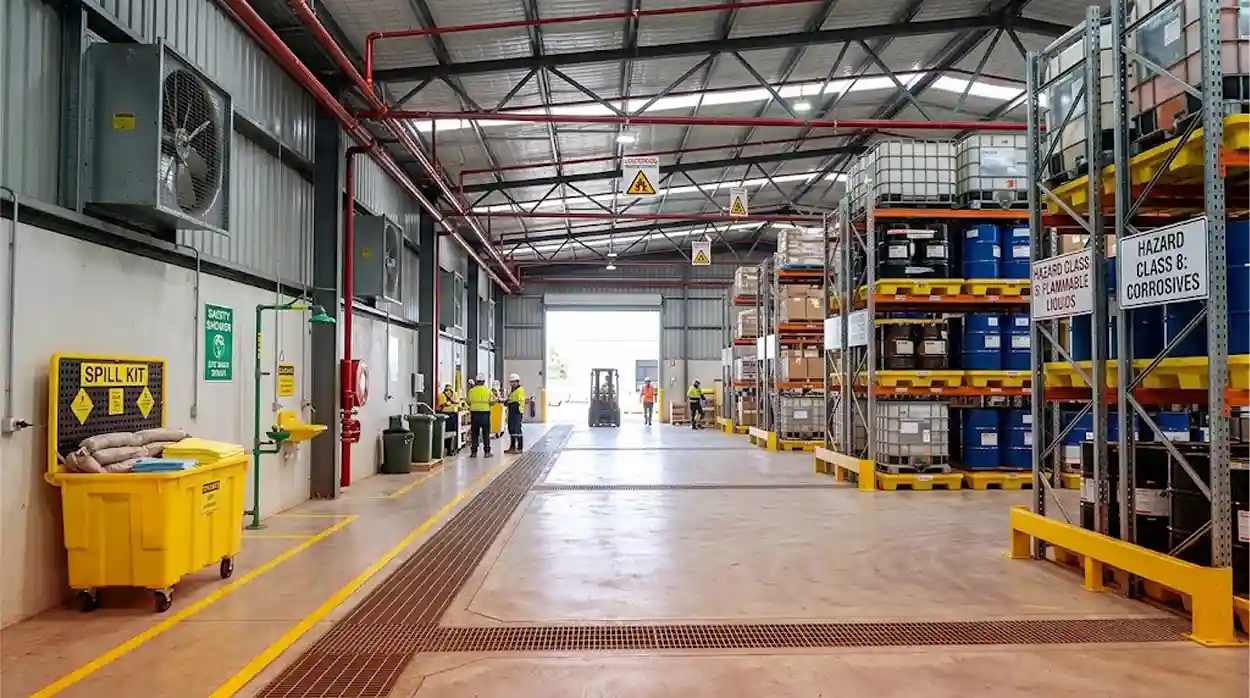
Engineered for chemical storage safety.
Proper ventilation prevents gas buildup and stabilizes ignition sources. Spill containment and drainage limits damages caused by container leaks. Fire suppression systems should run through every zone — not just the ones storing known hazards.
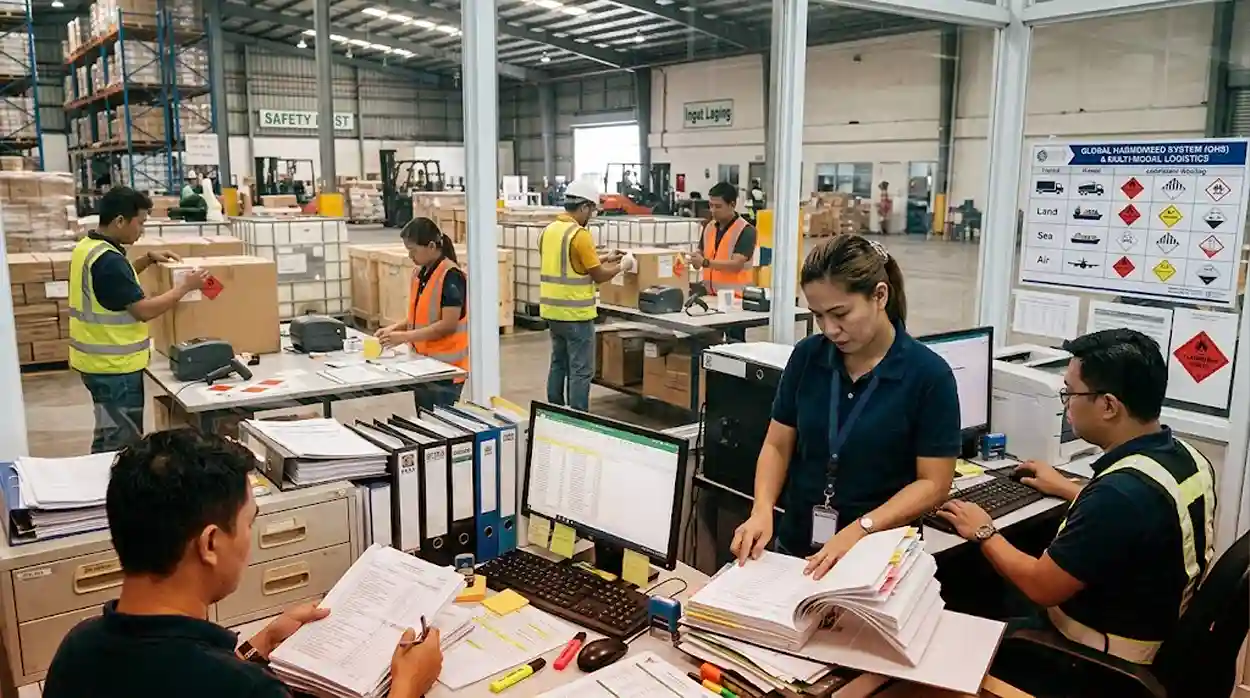
Documentation you can defend in an audit.
We practice IATA, IMDG, and ADR-certified handling protocols. It makes labeling and hazard documentation consistent whether goods move by land, sea, or air.
Real-time risk visibility.
Our ambient and temperature controlled warehousing features INFOR Warehouse Management System. This WMS storage solutions is designed to optimize distribution and fulfillment, of our warehouse operations For hazardous SKUs, knowing exactly what’s stored where, and how much, isn’t a convenience. It’s the correct way to handle risk management for hazardous storage.
Storage conditions for tires upright on racks in a cool, dry, shaded space, away from ozone-generating equipment like generators and electric motors. This, and avoid long-term horizontal stacking, which distorts tire shape over time. A Storage facility for oils and lubricants should install rackings rated for heavy, viscous loads, grouped by type to prevent cross-contamination.
Why this matters: rubber degrades from UV light, ozone, heat, and humidity — not just use. In a humid climate such as the Philippines, a covered, well-ventilated, flood-safe facility matters more than it would somewhere drier.
How long can tires be stored? Properly stored tires — upright, shaded, stable conditions — makes them serviceable for several years.
Even so, tire manufacturers recommend replacement around six years from the manufacture date, regardless of tread condition, because rubber keeps aging whether the tire is in use or not.
Oil storage specifics: Engine oils, transmission fluids, and gear oils should be shelved separately by type.
Every container should carry its product’s name and batch number labeling so nothing gets mixed up during retrieval. This storage area sits inside our broader ambient and temperature-controlled warehousing network.

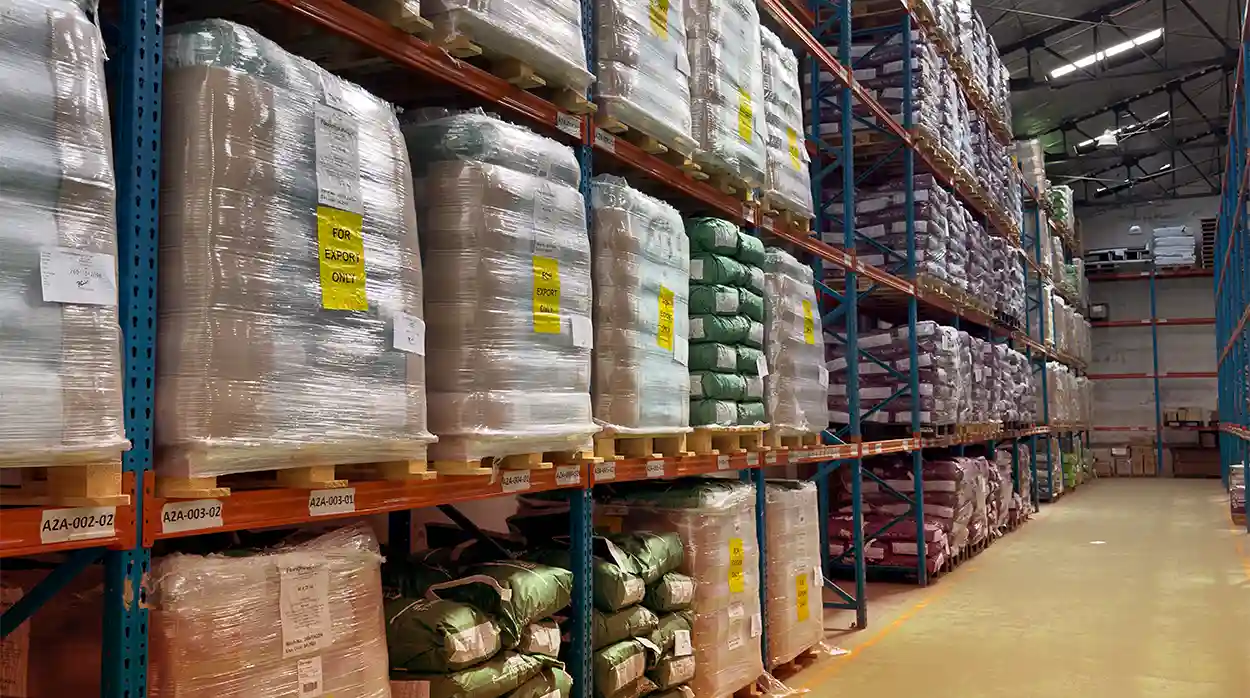
Toplis Logistics operates more than 7 dry storage facilities nationwide — roughly 30,000 sqm and 45,000+ pallet positions — and that footprint now supports dedicated hazardous materials 3PL and industrial storage:
24/7 security and monitoring across every facility
Real-time inventory visibility through our INFOR Warehouse Management System
Nationwide coverage across Luzon, Visayas, and Mindanao
Storage zones matched to your goods’ hazard class or product type — not a one-size-fits-all warehouse
ISO 9001:2015-certified operations, backed by 20+ years in contract logistics and 3PL services
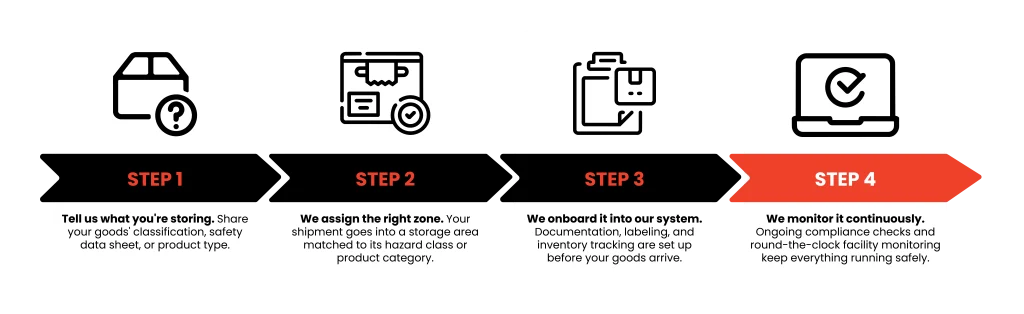
For us to help you choose your dry warehouse for hazardous and industrial materials, you need to share the following details so that we can share logistics solutions to handle and store them.
Allow us to optimize your operations and supply chain for enhanced productivity and success, by sending us your inquiries! Our experts will swiftly let you know how we can provide you with warehousing solutions that are uniquely yours.
With Toplis Logistics by your side, you can shift your focus to the core of your business while we take care of your dry storage needs. Trust Toplis Logistics for reliable and customizable dry storage services that drive your business to success.