

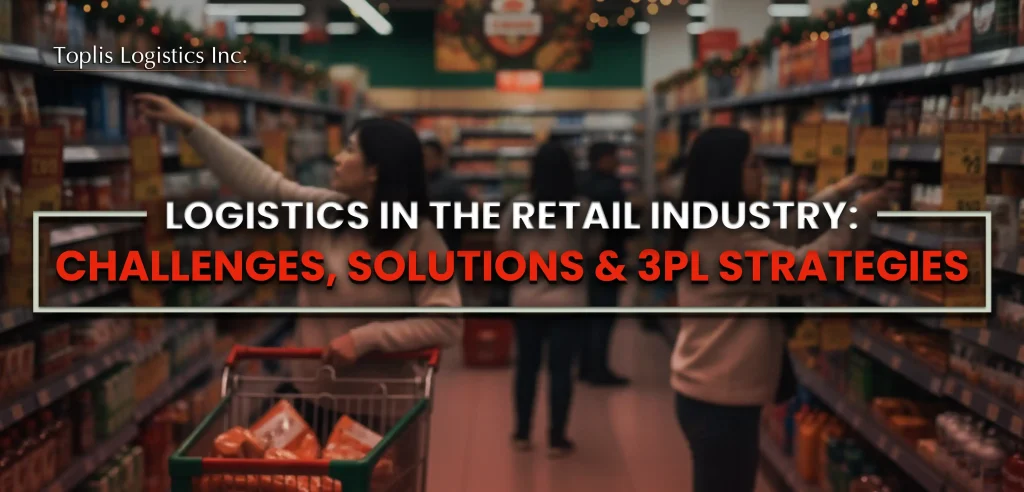
When a top-selling product suddenly disappears from the shelf, it’s not always because demand unexpectedly spiked. Most of the time, it’s a retail logistics management issue waiting to be solved. And in the Philippines, the difference between lost sales and smooth operations often depends on how well a business manages its logistics.
Retail logistics involve more than just transporting finished products from point A to point B. It is the careful combination of demand forecasting, manpower readiness, and cost-efficient distribution. One gap in any of these areas can slow down a retailer’s entire supply chain.
In this blog, we’ll explore the realities shaping the Philippine retail logistics. From the most common challenges to solutions that help businesses build resilience. We’ll also highlight why partnering with the right logistics provider can be your competitive advantage.
Key Takeaways
- Retail logistics in the Philippines face inventory mismatches, workforce shortages, and rising operational costs.
- E-commerce growth intensifies the need for fast movement of finished goods and finished products.
- A strategic 3PL partner like Toplis Logistics helps improve efficiency through visibility, scalability, and manpower support.
- Advanced warehouse systems help maintain optimal stock levels and prevent overstock or stockouts.
- Effective retail logistics management converts challenges into opportunities for long-term growth.
Table of Contents
- Status of the Philippine Retail Logistics
- Challenges in the Philippine Retail Logistics
- Operational Bottlenecks
- Workforce Shortages
- Retail Costs and Procurement Pressures
- Retail Supply Chain Costs Breakdown in the Philippines
- Retail Logistics Management that Drives Success to Business
- Conclusion
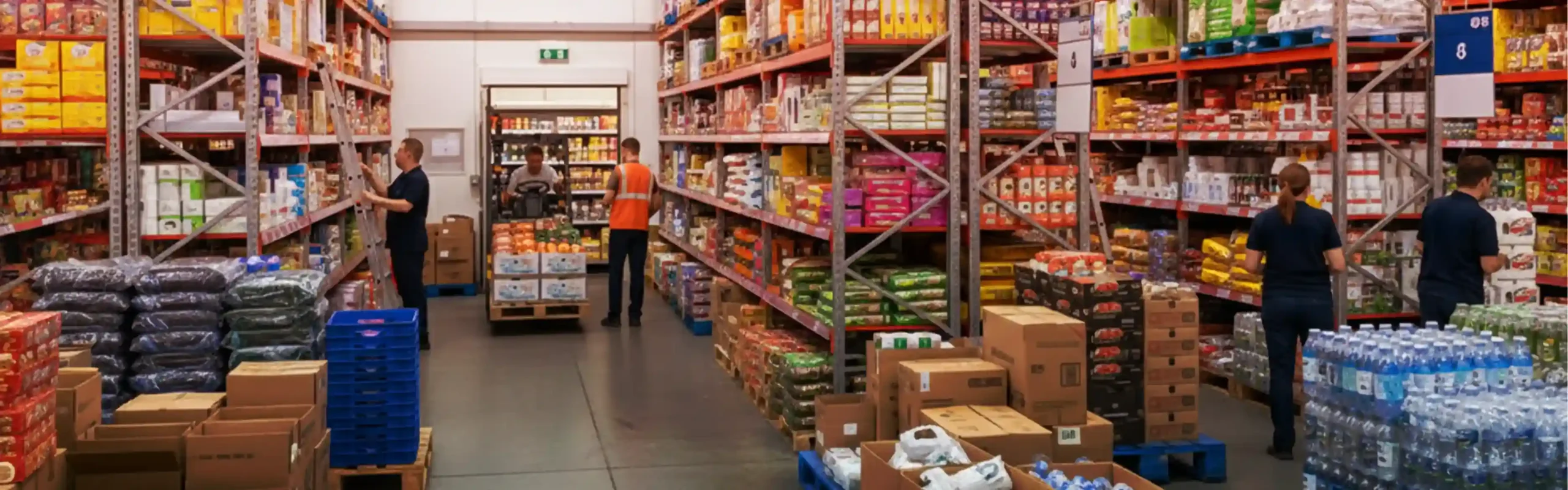
Current Status of Retail Logistics in the Philippines: E-Commerce and 3PL
As Filipinos embrace technology and online shopping, the retail sector continues to expand at a rapid pace.
New players enter the market every year, and long-established brands are also shifting heavily toward e-commerce. This growth creates opportunities, but it also adds pressure on logistics systems that were not traditionally built for high-volume, fast-turnover retail operations.
Recent data paints a clear picture of how quickly the market is growing:
- The retail e-commerce market in the Philippines reached ₱1.6 trillion in 2024. It is expected to grow by 49%, with a projected expansion of ₱2.39 trillion by 2027.
- The Philippines’ third-party logistics (3PL) market was valued at ₱319.5 billion in 2024. It has a projection to expand to ₱529.3 billion by 2033, marking a 65% growth rate.
Philippine Retail E-Commerce and 3PL Market Outlook
| Classification | Retail E-Commerce | 3PL |
|---|---|---|
| Market Value (2024) | ₱ 1.6 trillion | ₱ 319.5 billion |
| Projected Growth Rate | +49% | +65% |
| Forecasted Value | ₱ 2.39 trillion | ₱ 529.3 billion |
DISCLAIMER: The cost figures presented in the table above are based on the USD exchange rate as of 2025 and are subject to change.
These numbers indicate a strong and steady reliance on 3PL providers as retailers expand their operations.
However, this growth also brings challenges.
The country’s rising fuel costs and labor shortages make supply chain management a daily challenge. Every delivery truck navigating Metro Manila traffic and cargo shipment delayed by inclement weather adds up to missed opportunities and rising transportation costs.
Ready to Streamline Your Retail Supply Chain?
Whether you need cold storage, warehouse support, or expert manpower solutions, our team can help build an efficient supply chain for your business.

Top 3 Common Logistics Challenges in the Philippine Retail Industry
1. Operational Bottlenecks (A Core Issue in Effective Retail Business Logistics)
One of the biggest challenges in retail business logistics is maintaining a balanced inventory. Many retailers experience overstock in one warehouse and stockouts in another, mainly due to uneven distribution and lack of real-time visibility. These issues can limit an otherwise efficient retail operation.
The country’s archipelagic layout adds more complexity. Inter-island transport can be slow and costly. Former DTI Secretary Alfredo E. Pascual noted:
“Distributing goods across over 7,000 islands requires costly and inefficient inter‑island shipping. This is a key bottleneck in supply‑chain operations that leads to higher inventory costs and delayed warehouse clearing.”
During holiday seasons, demand spikes in Luzon while finished goods remain stuck in Visayas due to port delays. Once products arrive, peak demand is already over—leading to lost sales opportunities.
How Toplis Logistics Helps Resolve Operational Bottlenecks
Toplis Logistics minimizes delays with data-driven warehouse management systems (WMS) that improve real-time visibility and track stock levels. With strategically located hubs across the country, retailers can efficiently manage finished goods allocation and reduce lead times.
Related blogs you may find useful
2. Workforce Shortage
While modern technology supports logistics operations, the industry still depends heavily on skilled manpower. From handling finished products to organizing warehouse shelves, trained individuals ensure smooth, accurate, and timely operations.
Peak seasons, particularly 9.9, 10.10, and 11.11, often reveal workforce shortages. Without enough packers and delivery staff, fulfillment slows down.
Eventually, it will have a rifle effect on the operational productivity, from order accuracy to customer satisfaction.
One HR manager from Pampanga shared how their team had to “borrow” office staff just to pack orders during a major sale event. While effective management helped them get through the day, it highlighted the need for flexible workforce support in retail logistics.
How Toplis Logistics helps solve workforce shortage:
Toplis Logistics provides scalable workforce solutions trained specifically for warehousing, order fulfillment, and transportation roles.
Quick Wins for Retailers: Access to additional manpower without long-term hiring costs, training delays, or administrative burdens
Related blogs you may find useful
3. Retail Costs and Procurement Pressures
Logistics expenses take up to 27% of a product’s retail price. Factors affecting the rising costs are fuel surcharges, port delays, inflation, and inconsistent lead times from suppliers. Eventually, this creates pressure on profit margins.
On top of that, retailers juggle multiple suppliers, carriers, and warehouses, each with its own schedules, pricing structures, and service standards.
Without centralized visibility and control, managing these moving parts not only becomes a guesswork but also turns cost management into a constant struggle.
Retail Supply Chain Costs in the Philippines
To have a clear understanding, take a look at the detailed breakdown of the typical retail supply chain costs below:
| Component | Estimated Share of Total Cost |
|---|---|
| Cost of Goods Sold (COGS) | 60–65% |
| Procurement & Sourcing | 5–7% |
| Inbound Logistics | 8–10% |
| Fulfillment & Warehousing | 7–9% |
| Last Mile Delivery | 6–8% |
| Reverse Logistics | 1–2% |
Source: Mordor Intelligence, Philippines’ Retail Sector Market Trends and Forecast Report
Retail Logistics Management That Drives Success
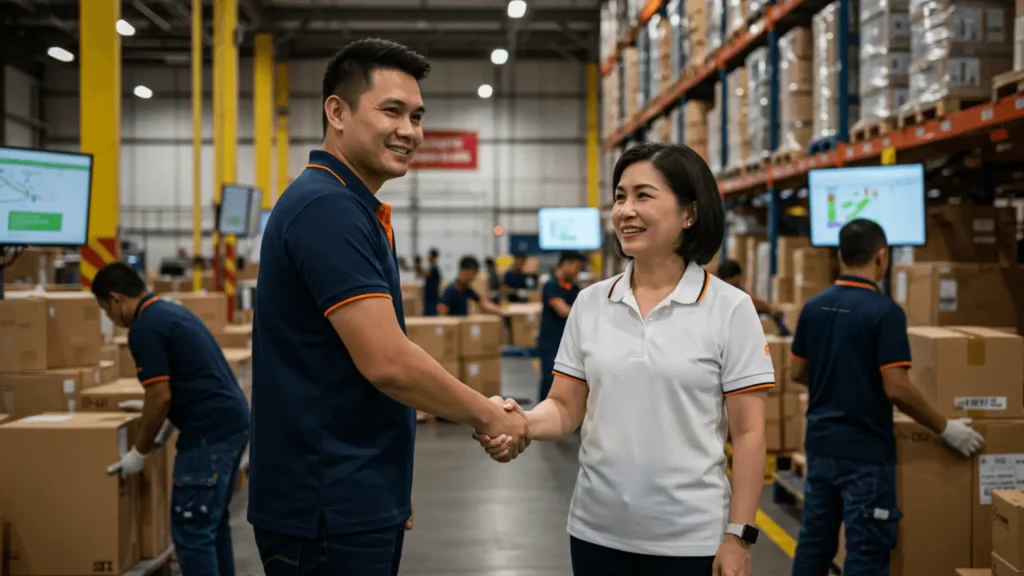
Partnering with Toplis Logistics gives your business more than just logistics support, including:
End-to-End Visibility
Seamlessly track your inventory and shipments.
Scalable Operations
From a few hands to full-scale distribution, we aim to provide your logistical needs.
Cost Efficiency
Optimize routes and share resources to reduce overhead.
At Toplis Logistics, we don’t just move goods, we help your business build resilience. With our local expertise, skilled manpower solutions, and advanced logistics technology, we empower you to streamline operations and scale efficiently.
Conclusion
Inventory mismatches, workforce shortages, and rising costs are common challenges that affect profits and customer satisfaction because of delayed deliveries. But, partnering with a trusted 3PL provider like Toplis Logistics helps your business manage these inefficiencies.
With local expertise, trained teams, and advanced warehouse systems, you can avoid stockouts, reduce overstock, and keep your logistics operations running smoothly even during peak seasons.
Remember, effective retail logistics management turns these challenges into growth opportunities that ultimately help your business scale sustainably and meet increasing customer demand.
At Toplis Logistics, we don’t just move goods, we help your business build resilience. With our local expertise, skilled manpower solutions, and advanced logistics technology, we empower you to streamline operations and scale efficiently.
Blog Resources
E-commerce Market Reach and Expansion. “E-commerce Market Data in the Philippines 2024-2027” https://paymentscmi.com/insights/philippines-ecommerce-market-data/
Third-Party Logistics Market Value. “Philippines Third Party Logistics (3PL) Market Size, Share, Trends and Forecast by Transport, Service Type, End Use, and Region, 2025-2033” https://www.imarcgroup.com/philippines-third-party-logistics-market
Challenges in Logistics and Warehousing. “The Philippines’ logistics challenge: Charting pathways forward” https://www.bworldonline.com/opinion/2025/04/22/666953/the-philippines-logistics-challenge-charting-pathways-forward/
Philippines’ Retail Sector Market Trends and Forecast Report by Mordon Intelligence. “Philippines Retail Sector Market Size & Share Analysis – Growth Trends & Forecasts (2025 – 2030)” https://www.mordorintelligence.com/industry-reports/retail-industry-in-philippines
Retail Supply Chain Costs in the Philippines. “Department of Trade and Industry: Policy Briefs” https://dtiwebfiles.s3.ap-southeast-1.amazonaws.com/uploads/2019/12/2018-06-An-Assessment-of-Logistics-Perfomance-of-Manufacturing-Firms-in-the-Philippines.pdf
