

Overview
-
Raw material manufacturing drives every supply chain, but rising freight costs, delivery delays, and inventory imbalance continue to challenge manufacturers worldwide.
- Strategic warehouse placement near factories helps reduce transportation expenses, improve replenishment speed, and support uninterrupted production.
- Dry storage warehouses protect raw materials from moisture, contamination, and handling damage while improving inventory visibility and flexibility.
- Manufacturers should evaluate logistics partners based on location, facility reliability, inventory accuracy, transport coordination, and industry experience.
- Tracking KPI like transportation cost per unit, lead time, inventory turnover, and on-time delivery rates helps businesses improve supply chain efficiency and control costs.
Raw material manufacturing is the starting point of every supply chain. Metals become machine parts. Grains become food products. Chemicals become packaging, paint, and industrial goods. Inconsistent flow of raw materials results in factories slowing down, missed production targets, and rising costs.
For supply chain managers and logistics managers, the challenge is not only sourcing materials. It is also moving them efficiently, storing them safely, and keeping transportation costs under control.
Today, rising fuel prices, port congestion, labor shortages, and route delays continue to pressure manufacturers worldwide. This is why many companies are rethinking their logistics strategy and choosing smarter storage solutions closer to production sites.
What Raw Materials in Manufacturing and Distribution Mean
Raw material manufacturing turns natural or basic resources into materials used by industries, such as steel, wood, plastics, chemicals, paper, textiles, grains, and minerals. After processing, distribution of industry outputs to factories, assembly plants, or retailers occurs.
End-to-End Supply Chain Flow
Reliable logistics from source to final distribution across the Philippines
Source
Plant
Facility
Plant
Distribution
This system may sound simple, but delays at any point can disrupt the entire chain. That is why businesses rely on strong warehousing support, efficient transport planning, and dependable raw material warehouse services.
Challenges in Transporting Raw Materials
Moving raw materials is more complex than transporting finished goods. Many products are bulky, heavy, sensitive to moisture, or require careful handling. Some of the most common issues include:
High Transportation Costs
Freight expenses remain one of the largest logistics costs for manufacturers. Fuel price swings, toll fees, equipment shortages, and driver demand all affect budgets.
DELIVERY DELAYS
Traffic congestion, weather disruptions, customs clearance, and port bottlenecks can delay shipments and halt production schedules.
MATERIAL DAMAGE
Poor packaging, exposure to humidity, contamination, and mishandling can reduce quality before materials even reach the factory.
INVENTORY IMBALANCE
Too much stock ties up capital. Too little stock creates shortages. Finding the right balance is a constant challenge.
Why Do Freight Costs Keep Rising?
Freight rates, especially during peak season, have become a major concern for supply chain leaders. Several market forces continue to push costs upward.
Diesel prices directly affect trucking and hauling rates. Even small increases can raise monthly transport spending.
Globally, there is still pressure on truck availability, qualified drivers, and container supply.
Longer travel times mean more fuel use, overtime labor, and fewer daily deliveries per vehicle.
Events such as geopolitical conflict, natural disasters, or shipping route disruptions can impact rates worldwide.
According to industry logistics studies, transportation often represents one of the highest supply chain operating expenses for manufacturers. Reducing unnecessary travel distance is one of the fastest ways to improve margins.
The World Bank Logistics Performance Index reported that international shipments take an average of 44 days across global supply chains, highlighting how delays and inefficient transport routes directly affect operational costs.
How Warehouse Location Affects Supply Chain Cost
Warehouse placement directly affects total logistics costs. If you store raw materials far from your production plant, your business might face the following:
Higher trucking charges
Longer lead times
Greater fuel usage
Increased emergency deliveries
Route Comparison: 150 km vs 50 km
Comparative logistics performance based on route distance and operational efficiency.
| Logistics Factor | 150 km Route | 50 km Route |
|---|---|---|
| Fuel Consumption | High | Lower |
| Driver Hours | Longer shifts | Shorter trips |
| Fleet Wear | Faster tire and engine wear | Reduced maintenance |
| Delivery Frequency | Limited trips/day | More trips/day |
| Emergency Shipment Risk | Higher | Lower |
| Freight Cost | Expensive | More cost-efficient |
Benefits of Dry Storage Near Factories
A dry storage warehouse for raw materials is ideal for goods that require clean, secure, temperature-stable, and moisture-protected storage. Take a look at the examples below:

Packaging Materials

Paper Products

Plastic Components

Textiles

Electrical Parts
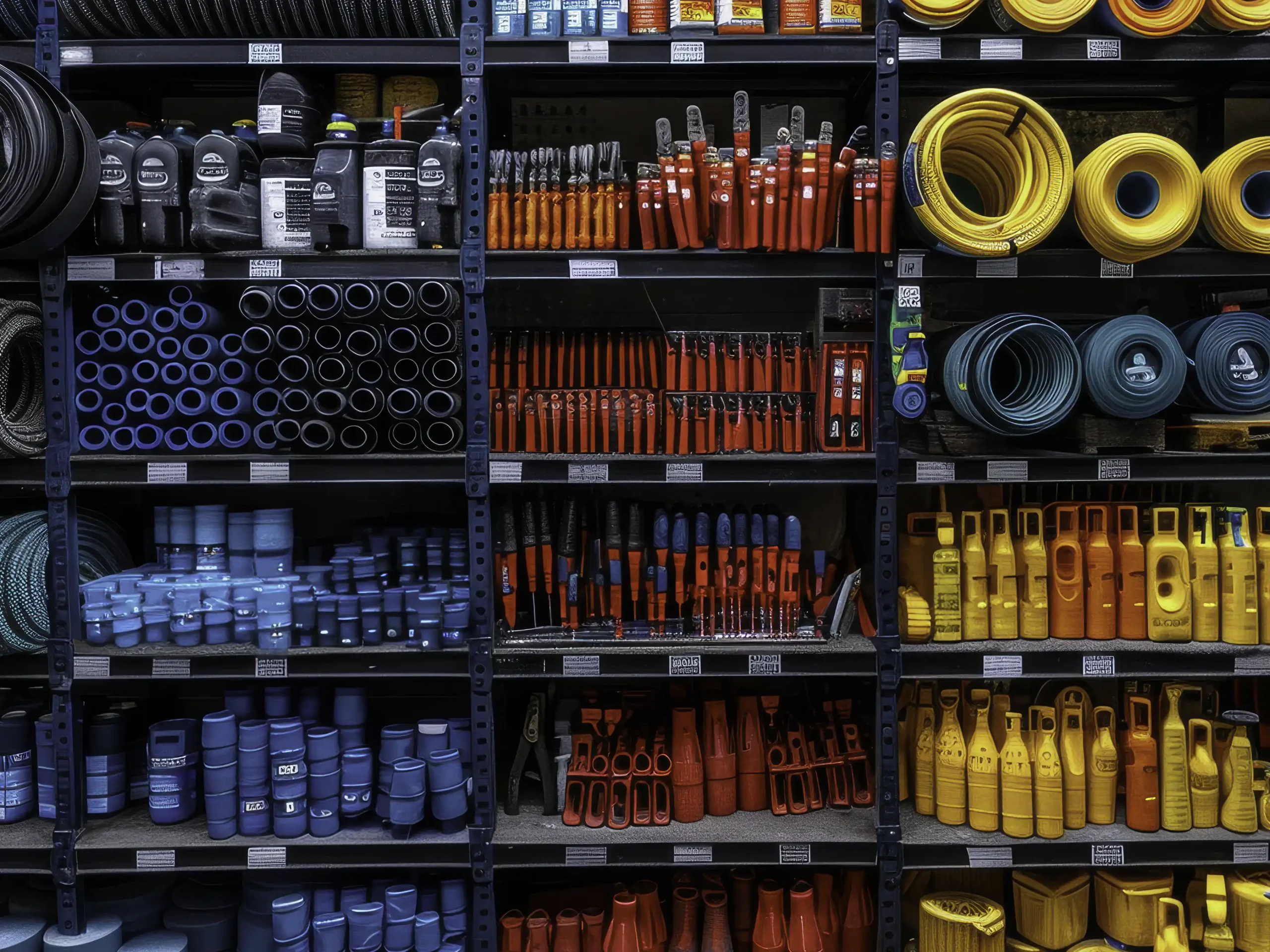
Industrial Supplies
Why Dry Storage Warehouse Proximity Matters to Business
- Faster Replenishment: Factories can receive materials quickly when production demand rises.
- Lower Freight Spend: Shorter transport distances help reduce recurring trucking costs.
- Better Inventory Control: Nearby storage improves visibility and makes stock rotation easier.
- Reduced Material Damage: Clean indoor storage protects materials from rain, humidity, pests, and contamination.
- More Production Flexibility: Plants can scale operations without waiting on long-haul deliveries.
For manufacturers in growth markets like the Philippines, a nearby raw material distribution center can create both speed and resilience.
6 Factors to Consider when Choosing the Right Logistics Partner
Not all storage providers offer the same value. The right partner should support your wider supply chain goals, not just rent out warehouse space.
Choose a logistics provider that is located to industrial zones, ports, or your production plant.
Look for secure, organized, and professionally managed warehouses.
Real-time stock monitoring and reporting help prevent shortages.
Your storage needs may rise during peak season or expansion periods.
A strong provider should also help with inbound and outbound movement.
Work with logistics teams that understand manufacturing timelines and service expectations.
IMPORTANT REMINDER: A dependable logistics partner helps reduce friction, improve planning, and protect continuity.
Key Logistics KPI Metrics
Monitoring logistics KPIs helps manufacturers reduce freight costs, improve warehouse efficiency, and maintain uninterrupted production operations. Consider the example dashboard below:
Why More Manufacturers Are Optimizing Storage Networks
Manufacturers today need more than storage space. They need speed, visibility, and cost efficiency.
With margins under pressure, many companies now redesign their supply chains around smarter warehouse placement. Instead of relying only on distant central hubs, they add regional facilities near production centers.
This approach helps reduce transport waste while improving service levels.
For businesses operating in the Philippines, local warehousing support can be a practical advantage in a competitive market.
Conclusion
Raw material manufacturing depends on one critical factor: consistent material flow. When transportation costs rise and delays become common, warehouse strategy becomes more important than ever.
Choosing a nearby and professionally managed storage facility can lower freight spend, improve delivery speed, and support uninterrupted production.
Toplis Logistics provides dependable dry storage services designed to help manufacturers manage inventory, protect raw materials, and move goods with greater efficiency. For companies seeking practical logistics solutions, the right warehouse partner can make a measurable difference.
Frequently Asked Questions
Raw materials like chemicals, plastics, steel, wood, plastics, textiles, grains, and minerals create finished products. It includes consumer goods, containers, construction materials, wearable fashion items, and many more.
Raw material manufacturing helps the country’s industries by providing local inputs. It includes food processing, electronics, construction, agriculture, and renewable energy. With abundant sources of raw materials locally, companies usually partner with 3PL service providers.
Toplis Logistics is a 3PL service provider that can support its operations.
The best logistics company for raw material manufacturing includes several factors. Industry experience, capability for nationwide operations, and good reviews from existing clients help their case.
3PL service providers like Toplis Logistics have been in the industry for decades. Our strategic warehouses nationwide help in providing efficient operations for our partners throughout the years.
